Handwritten Notes Digital Papers: Integrating Authentic Texture into Modern Workflows
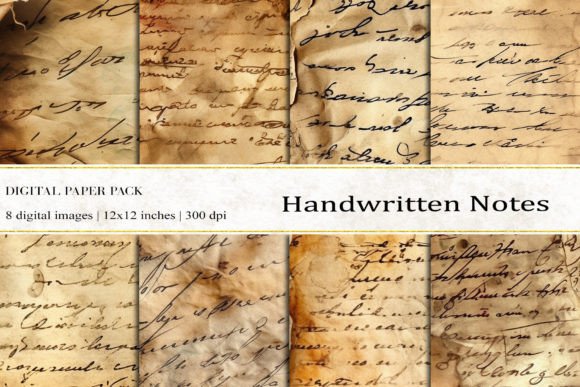
In an era dominated by sterile, vector-perfect graphics and AI-generated uniformity, the demand for human-centric design elements has surged. Handwritten Notes Digital Papers serve as a bridge between the digital workspace and the tactile reality of traditional planning. This collection of 14 unique textures is not merely a decorative asset; it is a functional component designed to enhance the visual hierarchy and emotional resonance of professional and personal projects alike.
The set includes 12×12 inch JPG files at 300 dpi, ensuring high-resolution clarity across all mediums. Created using Midjourney, these backgrounds capture the organic imperfections of ink on paper, providing a realistic foundation that static, flat colors cannot replicate. For professionals ranging from educators to small business owners, integrating these assets allows for a seamless transition from conceptual planning to final execution.
Understanding the Asset in a Creative Workflow
To utilize Handwritten Notes Background effectively, one must first understand its role within the broader creative process. These are not just images; they are foundational layers that dictate the tone of a project. When you introduce a texture that mimics the randomness of handwriting, you immediately signal authenticity to your audience. This is crucial for brands aiming to build trust or creators seeking to establish a personal connection.
The generation of these papers via generative art programs like Midjourney ensures a level of complexity that would be time-consuming to achieve manually. Each of the 14 designs offers a distinct variation in stroke density, ink saturation, and paper grain. This variety prevents visual fatigue when used in series, such as in a multi-page planner or a blog post featuring several related articles. The workflow advantage here is immediate: instead of sourcing multiple disparate textures or spending hours sketching backgrounds, you have a curated suite of compatible assets ready for deployment.
Pre-Production: Planning and Conceptualization
Before any physical product is printed or a digital layout is finalized, the conceptual phase requires mood setting. During this stage, Handwritten Notes Textures act as powerful mood boards. A project manager can use these papers to visualize how a final deliverable might feel before committing to expensive printing runs or extensive coding.
- Scenario Mapping: Use the papers to simulate different brand voices. Does a "rough" handwritten texture fit your edgy startup brand, or does a "cleaner" note style suit your educational consultancy?
- Stakeholder Alignment: Presenting a mockup with these authentic textures helps stakeholders visualize the end result more accurately than abstract wireframes.
- Resource Allocation: By establishing the visual direction early, teams can avoid costly revisions later in the production cycle.
Integration Across Professional Sectors
The versatility of this 14-piece set allows it to function as a universal tool across diverse industries. Whether you are designing a physical invitation or a web graphic, the underlying principle remains the same: enhancing usability through aesthetic context.
Digital Design and Web Graphics
For web designers and developers, incorporating Handwritten Notes Digital Papers can significantly improve user engagement. In web design, pure white backgrounds often feel clinical. Overlaying a subtle handwritten texture can reduce eye strain and add warmth to landing pages. Because the files are 300 dpi JPGs, they scale effectively without pixelation, making them suitable for both desktop displays and high-density mobile screens.
When used in email marketing campaigns, these textures help emails stand out in crowded inboxes. They break the monotony of corporate templates, inviting the reader to engage with the content as if it were a personal letter. However, implementation requires technical foresight; ensure the contrast between the text and the background remains high enough to maintain accessibility standards.
Physical Production and Print Projects
The 12×12 inch resolution is specifically optimized for scrapbooking, cardmaking, and home decor items. For hobbyists and crafters, this standard size eliminates the need for complex resizing, which can degrade image quality. When preparing files for fabric printing or photo albums, the 300 dpi specification ensures that the intricate details of the AI-generated strokes remain sharp upon physical reproduction.
Small business owners can leverage these assets for branding materials. Imagine a boutique owner using these papers to create custom packaging inserts or branded stationary. The "handmade" aesthetic reinforces the value proposition of artisanal goods. Similarly, for event planners, these textures are ideal for creating cohesive invitation suites that feel intimate and thoughtfully crafted rather than mass-produced.
Workflow Optimization and Technical Considerations
Successful integration depends on more than just downloading the files; it requires a strategic approach to file management and compatibility. The efficiency of your workflow will determine how quickly you can move from idea to finished product.
File Organization and Compatibility
Since the set consists of JPG files, they offer maximum compatibility with almost every design software, from Adobe Photoshop and Illustrator to Canva and Procreate. This ubiquity reduces friction in the creative process. To maintain organization, categorize the 14 papers based on their visual weight—lighter textures for backgrounds requiring heavy text overlay, and darker or busier textures for standalone decorative elements.
When working in collaborative environments, ensure that all team members have access to the original high-resolution versions. Downscaling images prematurely can lead to quality loss during the final export. Establish a naming convention that reflects the specific texture ID (e.g., HN-DigitalPaper_01.jpg) to streamline the selection process during busy project sprints.
Quality Control and Consistency
While the AI generation provides unique variations, maintaining consistency across a larger project is vital. If you are creating a 50-page e-book or a series of social media posts, mixing too many contrasting textures can look chaotic. Develop a style guide that dictates which of the 14 papers are approved for specific contexts. For instance, reserve the most chaotic textures for headers and save the subtler ones for body backgrounds.
Always perform a final quality check before publishing or printing. Zoom in to 100% to inspect the edges of the digital papers for any artifacts introduced during the AI generation process. While rare, checking ensures that the final output meets professional standards. This step is particularly important for client-facing deliverables where attention to detail defines your reputation.
Strategic Implementation for Specific Goals
Beyond general design, these assets can be strategically deployed to achieve specific outcomes in productivity and learning.
Educational and Productivity Tools
Educators and content creators can use these papers to design printable worksheets, study guides, and lesson plans. The handwritten aesthetic encourages students to view the material as accessible and relatable, reducing the intimidation factor often associated with academic content. For productivity-minded users, these textures can be used to create digital planners in apps like GoodNotes or Notability. The visual cue of "notes" triggers a psychological shift towards active engagement and organization.
Marketing and Brand Storytelling
For marketers, authenticity is currency. Using Handwritten Notes Digital Papers in advertising materials signals that there is a human behind the brand. It suggests effort, care, and a personal touch. This is particularly effective for businesses selling handmade products, offering personalized services, or targeting niche communities. By embedding these textures into business cards, letterhead, and brochures, companies can differentiate themselves from competitors relying solely on generic stock photography.
Long-Term Value and Adaptability
The true value of a digital asset library lies in its longevity and adaptability. As trends shift, the core utility of a high-quality texture remains constant. Unlike temporary design trends that may fade, the appeal of human-made aesthetics is enduring. Owning a set of 14 versatile papers means you have a resource that can grow with your needs.
Consider the lifecycle of a project. A texture used for a preliminary concept sketch might evolve into the final background for a published book. The ability to reuse these assets across different stages of development maximizes return on investment. Furthermore, as your skills in design software improve, you can layer these papers with other effects, such as gradients, overlays, or typography treatments, to create entirely new compositions without needing to source new base images.
In conclusion, Handwritten Notes Digital Papers represent a sophisticated tool for modern creators. They blend the technological efficiency of AI generation with the timeless appeal of handcrafted design. By understanding their placement within your workflow—from initial planning to final execution—you can harness their potential to produce work that is not only visually striking but also deeply resonant with your audience. Whether you are a freelancer managing tight deadlines or an educator crafting engaging materials, these textures provide the structural support needed to bring your vision to life with clarity and impact.