Industrial Abstract 3D Background: A Versatile Asset for Modern Design
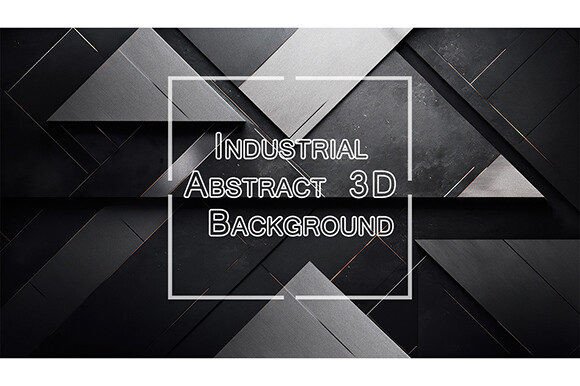
In a visual landscape saturated with generic stock photography and flat, repetitive patterns, finding an image that commands attention while maintaining professional integrity can feel like a daunting task. This is where the Industrial Abstract 3D Background steps in as a transformative tool. It isn't just a pretty picture; it is a high-fidelity texture designed to convey strength, innovation, and structural complexity without overwhelming your core message.
Specifically, this asset features a resolution of 3675x2100 pixels at 300 DPI in a premium JPEG format. These aren't arbitrary numbers; they represent a standard of quality that ensures crisp edges and rich detail whether you are printing a large-scale poster or displaying a thumbnail on a mobile device. The inclusion of a concrete wall element adds a layer of raw, tactile realism that digital renderings often struggle to replicate naturally.
Why Texture Matters in Professional Branding
Designers and marketers often underestimate the psychological impact of texture. A smooth, glossy surface suggests modernity and cleanliness, but a rough, industrial texture implies durability, engineering prowess, and authenticity. When you integrate the Industrial Abstract 3D Background into your projects, you are borrowing these associations. You are telling your audience that whatever you are presenting is built to last, engineered with precision, and grounded in reality.
This background works exceptionally well for industries that rely on trust and physical capability. Consider a construction firm showcasing their latest infrastructure project. A photo of a finished building is good, but overlaying their logo on a 3D abstract representation of steel beams and concrete structures creates a narrative of process and foundation. It speaks to the "behind-the-scenes" effort that goes into every build, resonating deeply with clients who value transparency and robustness.
Real-World Applications Across Industries
The versatility of this 3675x2100 px asset extends far beyond simple decoration. Its specific dimensions and high-resolution nature make it suitable for a wide array of practical scenarios across different sectors.
- Corporate Identity and Stationery: Imagine business cards for an architectural firm or a logistics company. Using this background allows you to create a tactile feel even before the card is touched. The 300 DPI resolution ensures that when printed, the fine details of the 3D geometry don't pixelate or blur. It elevates a standard business card from a piece of paper to a keepsake that reflects the company's attention to detail.
- Social Media and Digital Branding: In the fast-scrolling world of Instagram or LinkedIn, content needs to stop the thumb. A post featuring a product shot against a plain white background might get lost. However, placing that same product against the Industrial Abstract 3D Background creates depth and contrast. The concrete elements provide a neutral yet textured canvas that makes colorful products pop without competing for attention.
- Packaging and Product Labels: For brands selling hardware, tools, or rugged outdoor gear, packaging is the first point of contact. This background offers a sophisticated way to wrap around boxes or design labels that hint at the product's durability. The high-quality JPEG format allows for seamless tiling or scaling, ensuring that the pattern looks intentional and high-end rather than cheaply replicated.
- Event Materials and Postcards: Whether you are designing an invitation for a tech conference focused on urban development or a postcard for a real estate open house, this background adds a sense of occasion. It frames the text beautifully, providing enough visual interest to hold the eye but enough negative space (created by the abstract nature) to ensure readability.
Tailoring the Look for Different Audiences
One of the most compelling aspects of this asset is how its perception shifts depending on who is viewing it. For a younger demographic aged 20–30, the abstract 3D aesthetic aligns perfectly with current trends in graphic design that favor depth, lighting effects, and futuristic textures. It feels native to the digital age, making it ideal for app interfaces, gaming merchandise, or creative portfolios.
Conversely, for an audience in their 40s and 50s, particularly those in B2B sectors, the concrete wall element strikes a chord of stability. It evokes memories of traditional craftsmanship and solid infrastructure. This duality means you can use the same file to appeal to a tech startup looking innovative and a legacy manufacturing plant looking established. The key lies in how you pair it with typography and color overlays.
Practical Considerations for Implementation
While the Industrial Abstract 3D Background is a powerful tool, successful integration requires a bit of strategic thinking. Because the image is rich in detail, it demands respect in terms of composition. If you are using this for a website header or a blog banner, consider the placement of text. The concrete textures can be busy, so ensuring your headlines have sufficient contrast—perhaps by adding a subtle shadow or a semi-transparent overlay—is crucial for accessibility and readability.
When choosing this file over others, keep in mind the specific strengths of the 300 DPI specification. This resolution is non-negotiable if you plan any form of physical output. Printing on large formats like posters or roll-up banners requires this level of sharpness to avoid the "muddy" look that occurs when images are stretched beyond their native resolution. For web-only use, you might downscale the image slightly to improve load times, but keeping the original 300 DPI master file is always recommended for future-proofing your assets.
Another consideration is the color temperature. The abstract 3D rendering likely carries cool, metallic, or grey tones typical of industrial settings. If your brand identity relies heavily on warm colors like oranges, reds, or yellows, you may need to apply color grading or blending modes to harmonize the background with your palette. Conversely, if your brand is monochromatic or uses blues and greys, the background will act as a perfect natural extension of your existing visual language.
Maximizing Value Through Creative Experimentation
The true potential of this asset is unlocked when you move beyond static usage. Think about how you can layer it. In notebook designs or wall art, the background serves as the foundation upon which other graphical elements rest. It provides a stage. For instance, in a presentation deck, using this background for section dividers can break up the monotony of bullet points and signal a shift in topic with a visual cue that feels substantial and important.
Furthermore, the 3D nature of the background invites experimentation with lighting effects in post-production. Adding a vignette or adjusting the brightness can change the mood entirely, turning a stark industrial scene into something moody and atmospheric, or bright and energetic. This flexibility makes it a cost-effective solution for designers who need multiple "looks" from a single purchase.
Ultimately, the Industrial Abstract 3D Background is more than just a texture; it is a statement. It bridges the gap between the digital and the physical, offering a tangible sense of quality in a virtual world. Whether you are crafting a business card for a local contractor or designing a global marketing campaign for a software platform, having a high-resolution, versatile background like this at your disposal empowers you to communicate with clarity and confidence. By focusing on real-world utility and understanding the nuances of texture and scale, you can leverage this asset to create work that not only looks impressive but also performs effectively in its intended environment.