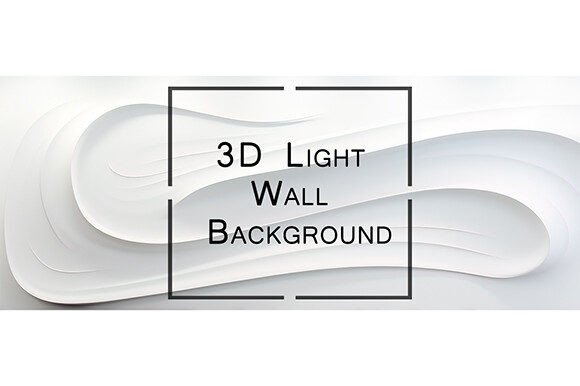
3D Light Wall Background: A Strategic Asset for Professional Visual Workflows
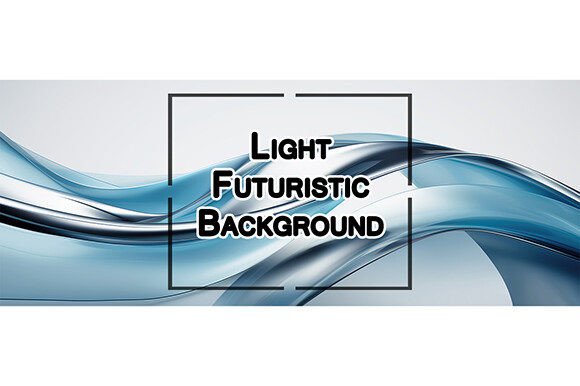
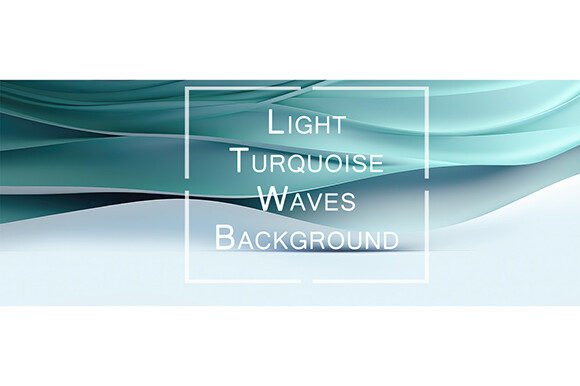
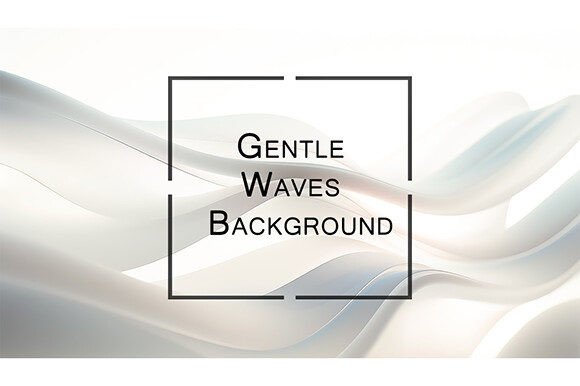
In the modern digital landscape, visual assets are no longer mere decorations; they are functional components of a broader communication strategy. The 3D Light Wall Background, specifically the high-resolution variant featuring light waves, represents a sophisticated tool for professionals who demand precision and aesthetic consistency. With dimensions of 5189x2100 pixels and a density of 300 DPI in JPEG format, this file is engineered to support rigorous workflows across diverse sectors. It serves as a foundational layer that bridges the gap between raw creative concepts and polished final deliverables.
Understanding where this asset fits into your daily operations requires looking beyond its static appearance. It is a versatile resource designed to integrate seamlessly before, during, and after critical project phases. Whether you are an entrepreneur drafting a pitch deck, a marketer launching a social media campaign, or a designer preparing packaging prototypes, the quality and adaptability of your background image directly influence the perceived value of your output. This article explores the practical implementation of this premium quality file, focusing on how it enhances efficiency, ensures compatibility, and supports long-term branding goals.
Integrating High-Resolution Assets into Pre-Production Planning
The lifecycle of any professional project begins with planning. During this phase, decisions regarding color palettes, typography, and overall mood must be made with foresight. The 3D Abstract Business Background with Light Waves Wall offers a neutral yet dynamic canvas that facilitates early-stage visualization. By importing this 5189x2100 px image into your initial wireframes or storyboards, teams can assess how text and primary elements will interact with complex lighting effects before committing to final production.
This approach prevents costly revisions later in the process. When you visualize your content against a backdrop that features realistic depth and light refraction, you gain immediate feedback on readability and hierarchy. For instance, if you are designing a website hero section, placing your call-to-action buttons over the lighter areas of the light wave pattern ensures user attention is directed correctly. Conversely, positioning them against darker gradients might obscure the message. Using this asset during the pre-production stage allows you to establish a consistent visual language that aligns with your brand identity from the very first sketch.
- Compatibility Check: Verify that your design software supports the specific color profile of the 300 DPI JPEG file to ensure accurate color rendering on screens versus print.
- Mood Boarding: Incorporate the background into collaborative mood boards to secure stakeholder approval on the visual direction before moving to execution.
- Template Creation: Use the full-resolution image to create master templates for recurring projects, such as weekly reports or monthly newsletters, saving hours of manual setup time.
Optimizing Workflow Efficiency During Creative Execution
Once the planning phase is complete, the focus shifts to execution. This is where the technical specifications of the 3D Light Wall Background become critical. The 5189x2100 pixel dimension provides an ultra-wide aspect ratio that is particularly advantageous for creating immersive digital experiences. Unlike standard square or vertical images, this panoramic format allows designers to utilize negative space effectively, creating breathing room for content without sacrificing visual impact.
For professionals working in marketing and advertising, the ability to scale assets without losing detail is paramount. Because the file is 300 DPI, it maintains crisp edges and smooth gradients even when scaled down for mobile interfaces or up for large-format printing. This eliminates the common workflow bottleneck of having to source different resolutions for different channels. You can generate a single set of assets from this one source file, ensuring that your business cards look as professional as your wall art posters.
The interaction between the background and other tools is also worth noting. Modern design suites often allow for non-destructive editing. You can apply overlay layers, adjust opacity, or blend modes to customize the intensity of the light waves. This flexibility means the background can adapt to various thematic requirements within a single project. If you are producing a series of blog graphics, you might use the cooler tones of the light waves for technical articles and the warmer highlights for lifestyle content, all while maintaining a cohesive brand presence.
- Layer Management: Keep the background on a locked layer at the bottom of your composition stack to prevent accidental displacement during the editing process.
- Text Integration: Utilize drop shadows or outer glows sparingly when adding text over the light waves to ensure legibility without cluttering the design.
- Asset Organization: Store the original 300 DPI JPEG in a dedicated "Master Assets" folder to preserve the highest quality version for future repurposing.
Ensuring Quality Control Across Diverse Applications
The true test of a premium background lies in its performance across multiple applications. The 3D Light Wall Background is not limited to a single medium; it is designed to transition smoothly from digital screens to physical print. This versatility is essential for small business owners and freelancers who need to maintain a unified brand image across all touchpoints.
When moving from digital to print, the 300 DPI resolution becomes a vital safeguard against pixelation. Whether you are printing invitations, postcards, or notebooks, the fine details of the light waves remain sharp. However, successful implementation requires attention to color management. Digital displays (RGB) and printers (CMYK) render colors differently. While the JPEG format is widely compatible, converting the file for print may require adjusting the color profile to avoid dullness or shifting hues. Always perform a proof print or soft-proof check before finalizing large batches of materials.
In the realm of social media branding, the wide aspect ratio allows for unique storytelling opportunities. Instead of forcing a square crop that cuts off the expansive nature of the light waves, creators can use the full width to guide the viewer's eye across the screen. This technique is particularly effective for video thumbnails and cover photos where horizontal movement is natural. By leveraging the full 5189px width, you create a sense of immersion that standard backgrounds cannot achieve.
Strategic Use Cases for Specific Industries
Different professions derive unique value from this asset based on their specific operational needs. For educators and bloggers, the clean, abstract nature of the light waves provides a distraction-free environment for educational content. It sets a tone of innovation and clarity, which helps in retaining audience attention during online lectures or webinars.
Entrepreneurs and investors benefit from the professional aesthetic when preparing pitch decks. The background conveys stability and forward-thinking vision, subtly reinforcing the credibility of the business proposal. Similarly, for publishers, using this background for e-book covers or magazine layouts adds a layer of sophistication that distinguishes the publication from generic competitors.
Freelancers and agencies often juggle multiple client identities simultaneously. Having a library of high-quality, adaptable backgrounds like this allows for rapid customization. You can tweak the hue or saturation to match a client's brand colors while retaining the structural integrity of the 3D light effect. This capability significantly reduces turnaround time and increases the volume of work that can be handled efficiently.
Sustaining Long-Term Consistency and Brand Integrity
In an era where digital fatigue is real, maintaining visual consistency is a competitive advantage. Relying on low-quality or inconsistent backgrounds can erode trust and dilute brand equity. The 3D Light Wall Background acts as a stabilizing force in your visual ecosystem. By establishing this asset as a core component of your style guide, you ensure that every piece of content, from internal presentations to external marketing materials, adheres to a high standard of quality.
Long-term use also involves managing the lifecycle of your assets. As trends evolve, the timeless nature of abstract light waves ensures that your designs do not appear dated quickly. The interplay of light and shadow remains relevant regardless of fleeting design fads. Furthermore, because the file is a standard JPEG, it remains accessible and editable by virtually any team member or third-party vendor, reducing dependency on specific software ecosystems.
To maximize the return on investment for this asset, consider documenting your usage rules. Define clear guidelines on minimum font sizes, acceptable contrast ratios, and preferred cropping methods. This documentation serves as a reference for new team members and ensures that the asset is used correctly even when the original creator is unavailable. By treating the background as a strategic resource rather than just a decorative element, you embed it into the fabric of your organizational culture.
Technical Considerations for Seamless Implementation
Beyond the creative aspects, there are technical factors that determine the success of integrating this background. File size management is crucial when dealing with high-resolution images. While 300 DPI ensures print quality, the resulting file size can be substantial. When uploading to websites or email platforms, compress the image appropriately without sacrificing visible quality. Tools that optimize JPEGs for web delivery can reduce load times while preserving the integrity of the light wave details.
Additionally, consider the hardware capabilities of your team. Rendering 5189x2100 px images in real-time may require robust processing power. If you encounter lag during the design process, try working with lower-resolution proxies and only applying the full-resolution version at the final export stage. This workflow optimization ensures a smooth experience without compromising the final output quality.
Ultimately, the value of the 3D Abstract Business Background with Light Waves Wall lies in its ability to elevate everyday tasks. It transforms routine activities like creating a newsletter or designing a business card into opportunities for creative expression and professional excellence. By understanding its capabilities and integrating it thoughtfully into your workflow, you unlock a level of polish and consistency that resonates with audiences and drives results.